
Dental Bonding In Rancho Santa Margarita, CA
Whether you’re dealing with minor chips, tiny cracks, misshapen teeth, or tooth discoloration, this versatile treatment delivers noticeable results in a single visit. At Orovida Cosmetic & Family Dentistry, Dr. Juste provides compassionate, individualized care to help you rediscover your confidence with a beautiful, healthy smile.
- MON
- 9 am - 6 pm
- TUE
- 9 am - 6 pm
- Wed
- 9 AM - 6 PM
- Fri
- 9 AM - 6 PM
- Sat
- 8 AM - 2 PM
What is Dental Bonding?
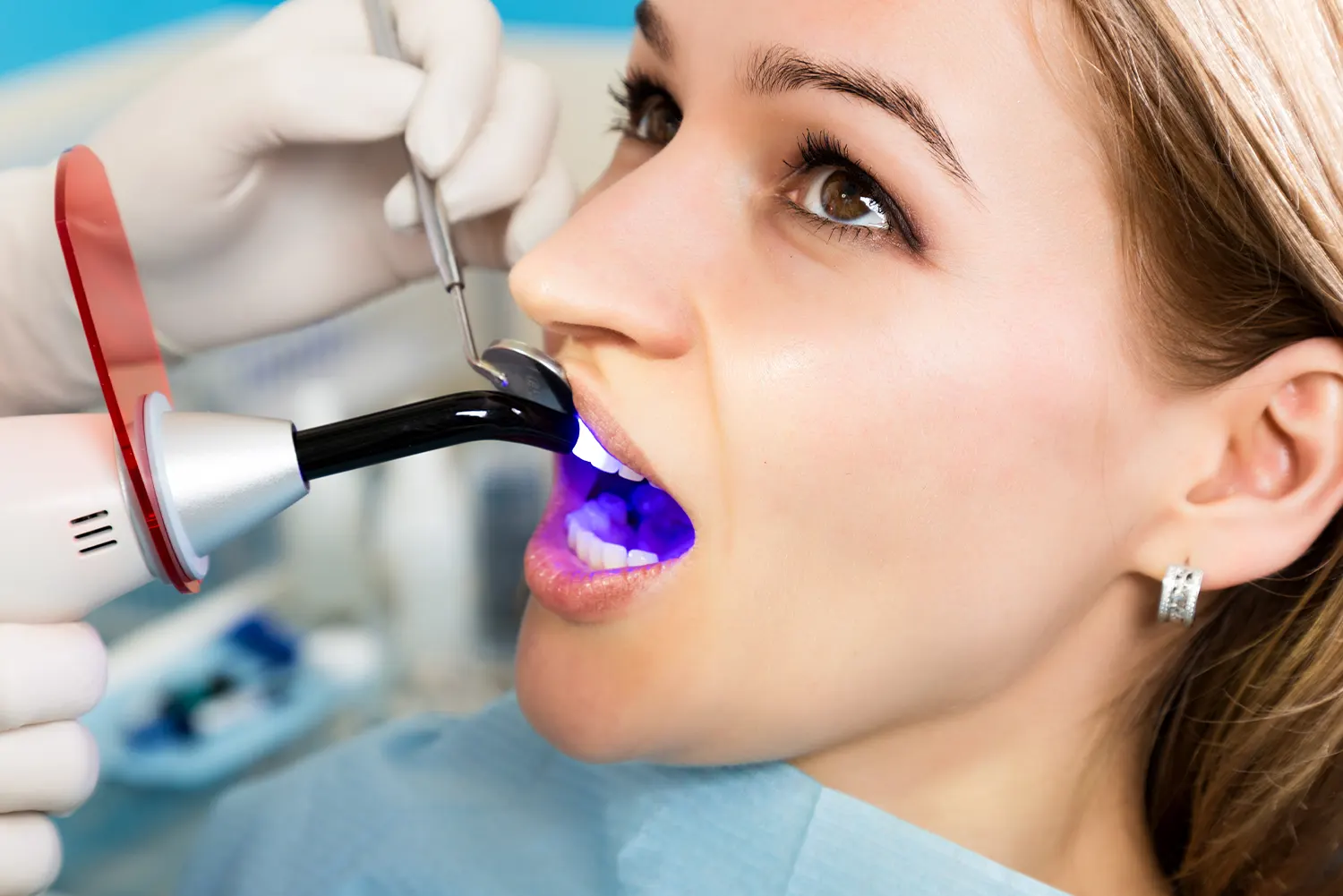
Dental bonding is a cosmetic treatment that uses tooth-colored composite resin to repair and reshape your teeth. Dr. Juste applies the resin, sculpts it to match the natural shape and shade of your tooth, and hardens it with a special light. It can fix chips, small gaps, discoloration, and uneven edges, and it’s often completed in a single visit with little to no anesthesia.
At Orovida Cosmetic & Family Dentistry, we use advanced techniques in a supportive, judgment-free atmosphere to give you a natural, polished smile. Whether you’re coming from Rancho Santa Margarita, Dove Canyon, or Coto de Caza, our team makes it easy to take the first step, with your comfort and confidence as the priority.

The Benefits of Dental Bonding
Quick and Convenient Results
Say goodbye to waiting weeks to improve your smile. Dental bonding is typically completed in just one appointment, giving you fast results without sacrificing quality or precision.
Affordable Aesthetic Enhancement
Compared to other cosmetic treatments such as veneers, dental bonding is a cost-effective way to address imperfections. It’s a budget-friendly option with impressive outcomes.
Versatile Smile Improvements
From filling gaps between teeth to repairing chips and hiding stains, dental bonding solves multiple cosmetic concerns with a single treatment, all tailored to your unique needs.

What to Expect From Dental Bonding
Consultation and Planning

Consultation and Planning
Your journey begins with a one-on-one consultation with Dr. Juste at Orovida Cosmetic & Family Dentistry. During this time, you’ll discuss your goals, and she’ll perform a thorough evaluation of your teeth to determine if dental bonding is the right option for you. Through patient education and open communication, you’ll feel empowered and informed about the next steps.
The Dental Bonding Procedure
The Dental Bonding Procedure
The dental bonding process is straightforward and stress-free. Dr. Juste will gently prepare the affected tooth and apply a specially formulated composite resin. She’ll shape and mold it for a natural look, ensuring it blends harmoniously with your surrounding teeth. Once satisfied with the fit and appearance, the resin is hardened using a curing light, completing the bonding process in under an hour for most cases.
Post-Treatment Care and Results
Post-Treatment Care and Results
After your dental bonding treatment, we’ll go over simple aftercare tips to maintain your new smile. While the material used is durable, following good oral hygiene practices and avoiding habits like nail-biting or chewing on hard objects will help prolong its lifespan. Many patients leave our office feeling more confident and eager to show off their refreshed smile.
FAQ's
Frequently Asked Questions
Check out these frequently asked questions, or call us to speak with our team.
